The Legacy of Slavery
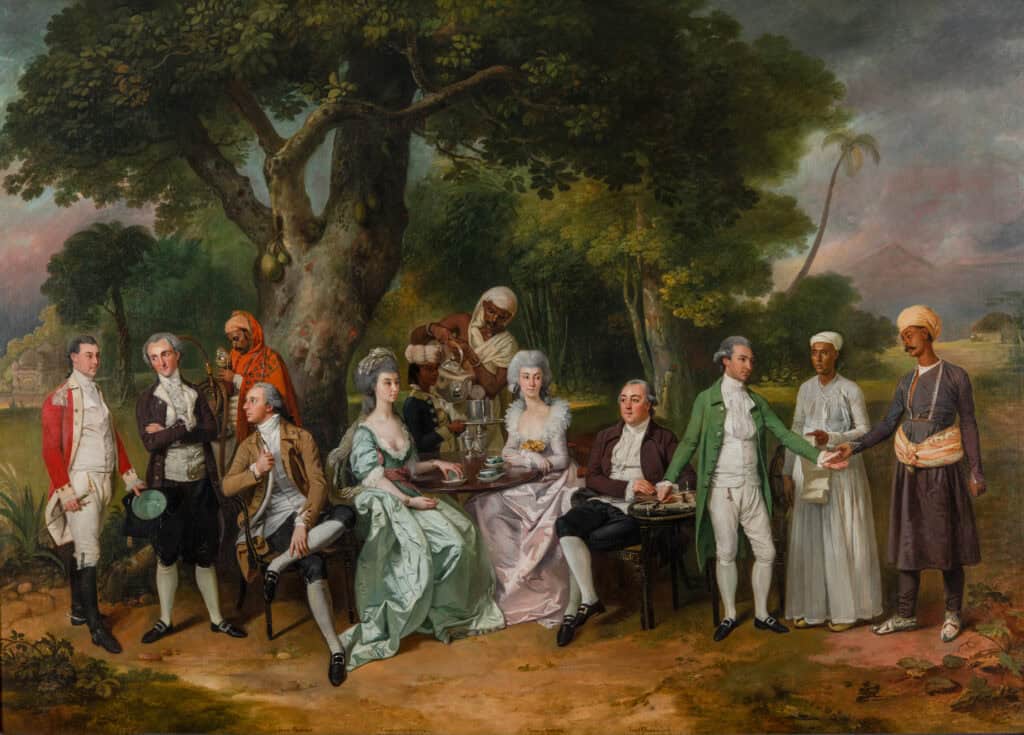
We are committed to changing and diversifying the Holburne and the stories we tell.
As part of our ongoing commitment, we are researching links between our institution and histories of empire and slavery.
Our building, part of Sir William Pulteney’s wider urban development, was funded with money derived from the profits of the same West Indian sugar trade.
Some of Sir William Holburne’s inherited wealth derived from plantations in the West Indies, the business of which involved trading in people as well as produce and materials.
You can read more about the Holburne family’s links to the Caribbean slave trade in this online resource, and our dedicated display in the Fletcher Gallery on the Mezzanine.
We are also investigating our collection to identify objects related to empire and slavery through the subjects depicted, their original purpose or the material used. This research, and consideration of the lasting damage colonialism has inflicted, will inform our displays, interpretation and programme in the future. We are actively listening to others, reading, reflecting, and learning to ensure the Holburne is an inclusive space for art, creativity, discussion and understanding.
If you have any views on this, we would love to hear from you so please write to curators@holburne.org
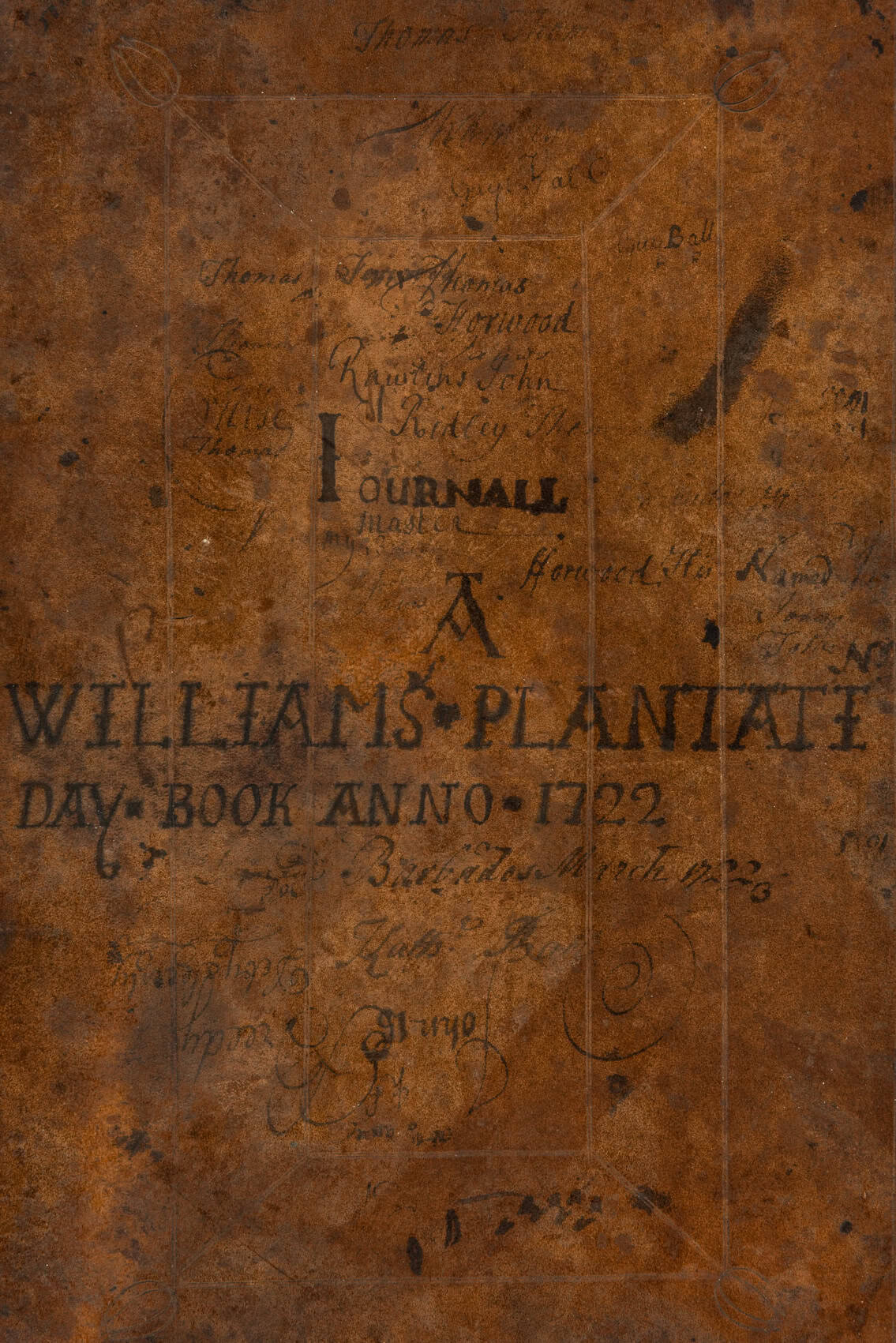
In 2021, we worked with Curatorial Fellow Jill Sutherland to research this history. In the film below, she discusses her findings that led to the display of a Plantation Day Book from 1722:
We have also worked in partnership with Boys in Mind to record responses to the display: