History of the Collection
Discover key dates in the growth of our Collection
1793
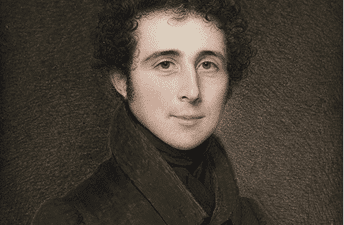
Sir Thomas William Holburne (1793-1874) was born. He went on to establish the collection at the heart of the Museum.
1830
From 1830, Sir William lived at 10 Cavendish Crescent in Bath with his three unmarried sisters. We don’t know much detail of the circumstances and pattern of Sir William’s collecting, but to some inherited family treasures (Chinese armorial porcelain, silver and portraits) he added seventeenth- and eighteenth-century silver and porcelain, Italian maiolica and bronzes, old master paintings, portrait miniatures, books and furniture and a variety of other smaller items including Roman glass, coins, enamels, seals, gems and snuff boxes. All of these give the Collection its unique character.
1882
Following William Holburne’s death in 1874, Holburne’s sister, Mary Anne Barbara Holburne (1802-1882) carried out his wish that his collection of over 4,000 objects, pictures and books was bequeathed to the people of Bath. From the start, it was intended to form “the nucleus of a Museum of Art for the city of Bath”. Since the Museum was established in 1892 and opened to the public a year later, further objects have been acquired. Some of the growth has consisted in filling gaps in the collection: the furniture, for instance, is almost entirely a post-Holburne addition.
1920
In some sections of the collection, where the original holdings were comprehensive, not much has been added since Holburne’s day; this is true of the maiolica, silver and gems. In other sections, growth has taken place by building on what Sir William himself laid as sound if modest foundations. It might involve supplementing what appeared to be under-represented, such as the original tiny group of glass which was greatly enlarged in the 1920s and 1930s by generous gifts from the Blathwayt family and the Holburne Society; similarly, the scope of the oriental ceramics collection has been widened, with earlier pieces bequeathed by the collectors J. Murray Elgar in 1955 and George Warre in 1938.
1955
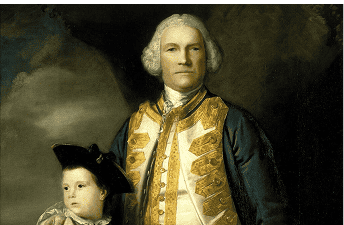
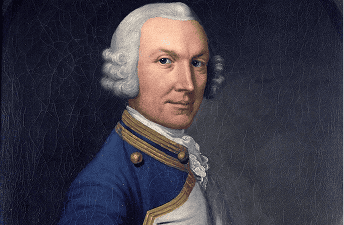
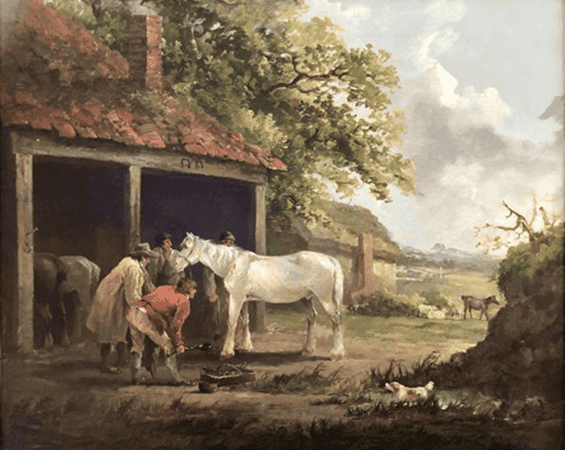
Perhaps the most significant acquisitions have been pictures. These have greatly enriched the Museum’s collection of British eighteenth- and early nineteenth-century paintings and miniatures. In 1955 the Museum received ten important pictures from the bequest of Ernest E. Cook, grandson of the travel entrepreneur Thomas Cook. This included works by Gainsborough, Stubbs and Turner. Fine mid-eighteenth century portraits of the Sargent family by Allan Ramsay came with the bequest of Sir Orme Sargent in 1962. With few exceptions, new acquisitions were and continue to be made only if in keeping with the character of the original Holburne collection, ensuring its continued coherence.
1963
The group of early Meissen porcelain was enormously enriched by a bequest in 1963 from J. MacGregegor Duncan, one of the Trustees of the Museum during the war. A comprehensive collection of English eighteenth-century porcelain was bequeathed by another Trustee, James Calder in 1944. This complemented the existing collection of Chelsea, Derby and Worcester.
2008
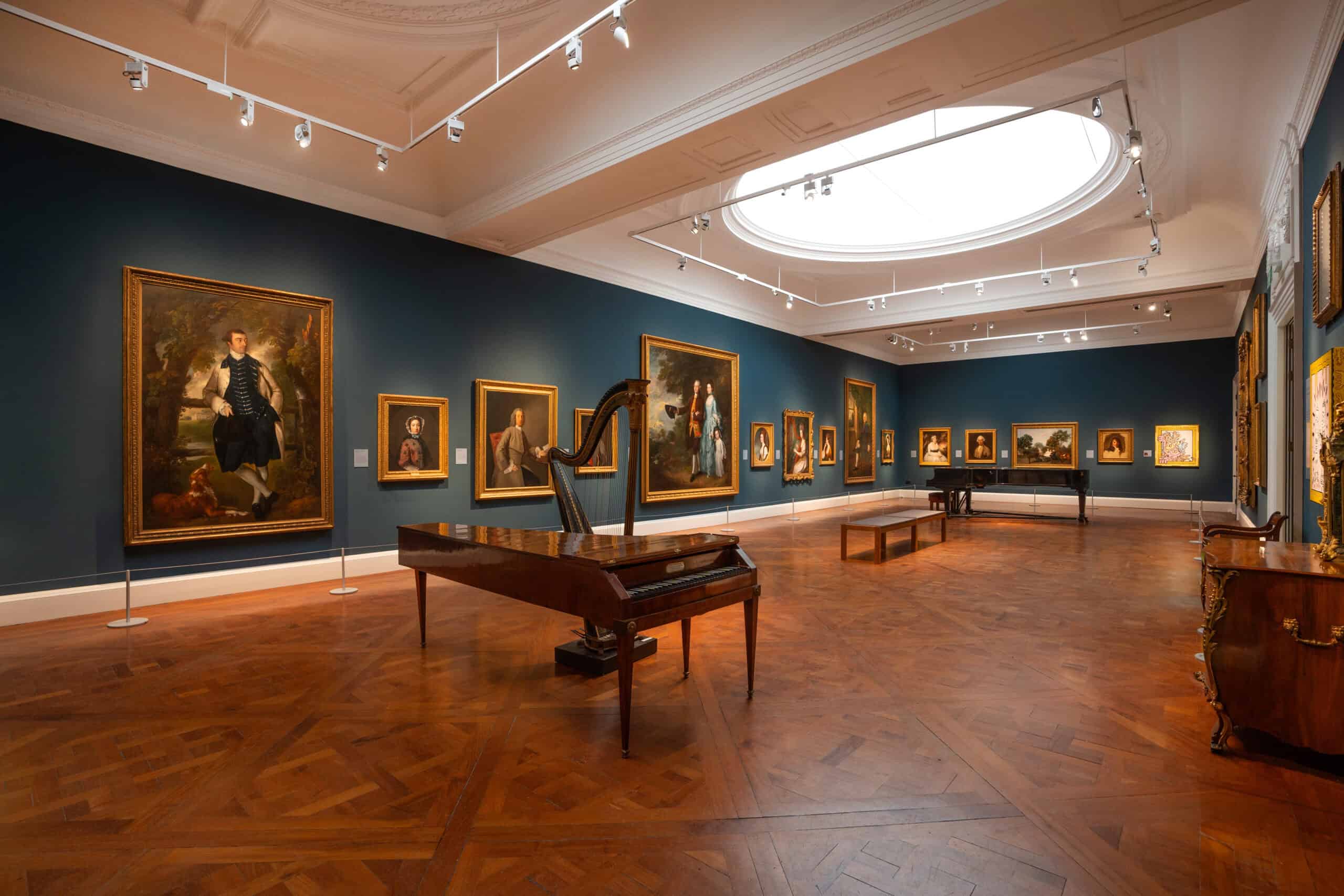
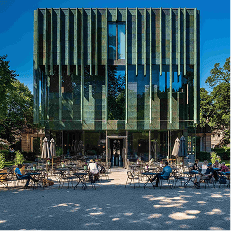
After almost a century at the Sydney Hotel, the Holburne closed its doors to the public for a major redevelopment. The existing galleries were refurbished and an extension built to a design by architect Eric Parry.
2011
The redeveloped Holburne opened the doors to the public. The new building included purpose-built spaces for temporary exhibitions, collections stores, teaching space, a café and visitor facilities.
2025
The Museum opened three new galleries to the public. The Schroder Gallery on the lower ground floor presents world-class Renaissance treasures on long-term loan from the Schroder family collection, while the Seventeenth Century Gallery on the first floor (which was used most recently as an office and has been returned to public use) displays important paintings from the 16th century including works by Claude Lorrain, Lucas Cranach the Elder and Hans Holbein the Elder. We also introduced a new display area on the lower ground floor corridor to display additional works from the Holburne Collection.
Our Collection
Search the Collection
Visit Search the Collection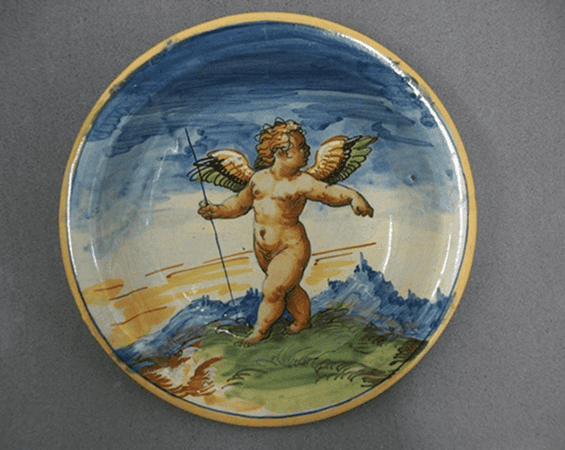
Caring for the Collection
Visit Caring for the Collection