23 May 2026 – 13 September 2026
Included
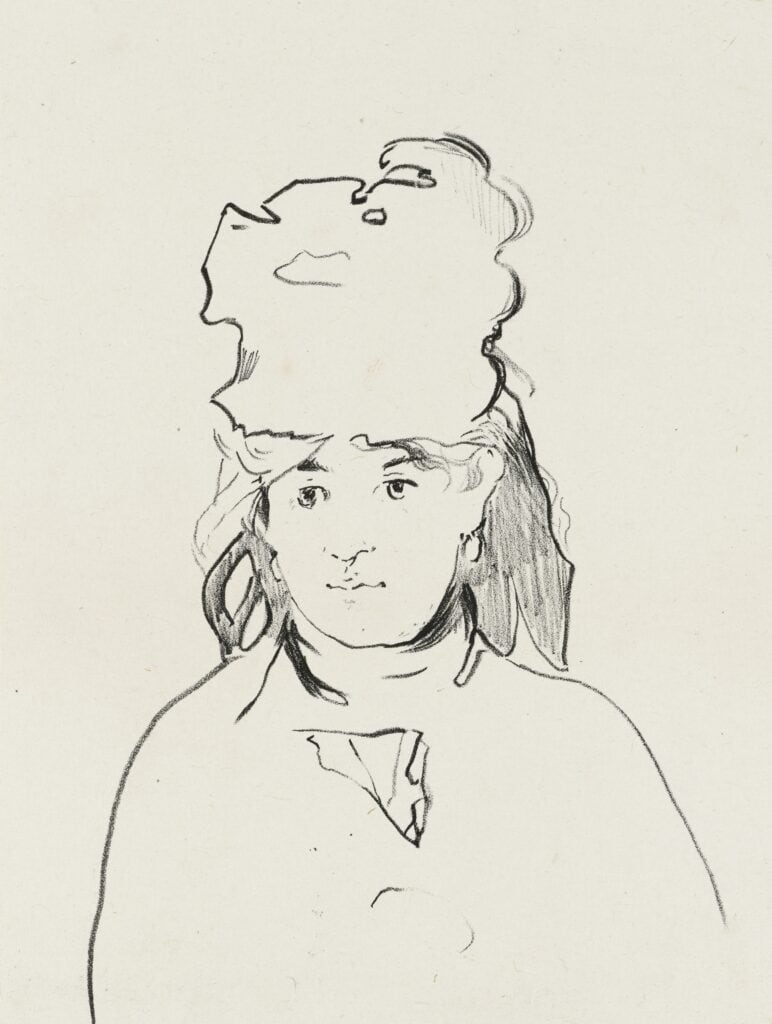
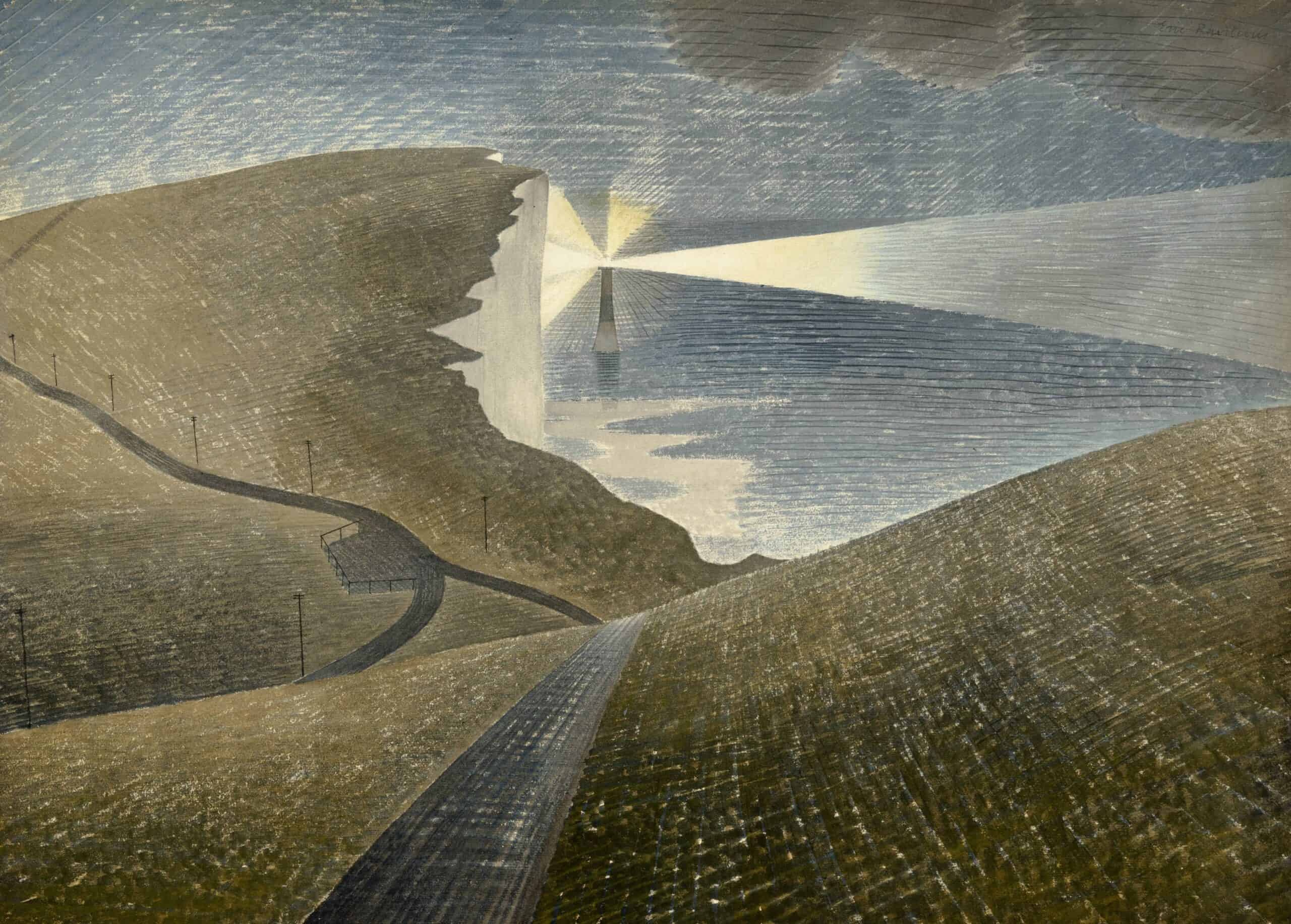
Within the turbulent political climate of early-twentieth-century Britain, an ambitious generation of young artists revolutionised the country’s landscape tradition. Ancient Landscape, Modern Times brings together work by the most celebrated of these artists, including John and Paul Nash, Eric Ravilious, William Nicholson, Tirzah Garwood and Peggy Angus.
The idyllic landscape of the chalk South Downs provided these artists with a national symbol through which they explored how Britain’s ancient history spoke to their modern times.
Contemporaneous archaeological advances, for instance the discovery of Queen Nefertiti’s tomb in 1926, catalysed intellectual and artistic interest in the ancient world. Against this backdrop, the chalk downs emerged as a site where the distant past seemed to be present. This preoccupation was bolstered by H.J. Massingham’s 1926 publication Downland Man, which celebrated the landscape as a monument to the deep past, and whose centennial is marked by this exhibition.
The nostalgic exploration of British landscape was pioneered by William Nicholson, influencing his contemporary Paul Nash. Nash saw the rolling hills of the South Downs as a potent monument to the ancient world, describing them as an equivalent to Egypt’s pyramids. Subsequently, Nash’s practice played a central role in shaping Ravilious’s style and interests, especially when acting as Ravilious’ tutor at the Royal College of Art during his early career. Thus, when commissioned to paint the South Downs for a children’s book, Ravilious saw an opportunity to develop a new landscape tradition appropriate for his modern age.
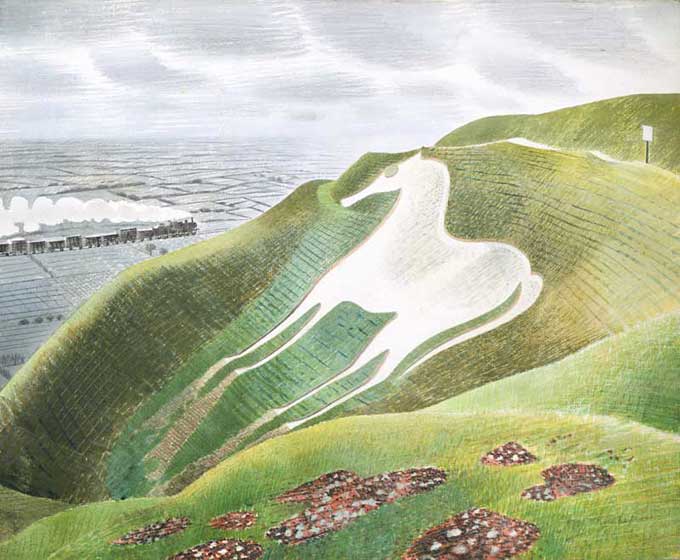
Artistic preoccupation with Britain’s ancient past is a thematic thread that runs throughout this exhibition, overtly revealed in the frequent representations of prehistoric monuments in compositions such as Ravilious’s The Vail of the White Horse (1943), Paul Nash’s Landscape of the Megaliths (1937) and Leslie Moffat Ward’s The Long man of the Downs (1943). These landscapes simultaneously celebrate and mourn the country in jeopardy. The sense of commemorating the vulnerable landscape is felt especially when these paintings are juxtaposed by works such as Denis Constanduros’s The Long Man of Wilmington (1932); a representation of the landscape seen in Moffat Ward’s engraving, punctuated by a bombshell crater.
As well as immortalising vulnerable landmarks during a time of war, the works transmit a message of hope, reminding viewers of the permanence and stability of the British landscape and by extension the country itself. The success of these paintings largely stemmed from their historical context; their beauty being heightened by the juxtaposition to the devastation of war. Many of the artists went on to visually commemorate this juxtaposition in their work. In later paintings in the exhibition, John and Paul Nash, both of whom were commissioned as war artists, punctuated their sinuous, idealised landscapes with the fractioned forms of the debris of battle. These fusions of beauty and destruction reflect the reality of the artists’ multifaceted modern experiences.